Timely asphalt repair is crucial for maintaining the long-term infrastructure of paved surfaces while ensuring public safety. Asphalt surfaces such as roads, commercial driveways, and municipal parking lots are essential components of urban and suburban transportation networks. When left unmaintained, neglected pavement poses significant risks, including vehicle damage and accidents, and escalating repair costs.
In essence, proactive asphalt repair helps safeguard financial investments and community welfare.
What are the Common Signs of Asphalt Damage?
Understanding the primary visual indicators of asphalt distress allows property managers to schedule targeted maintenance before total surface failure occurs:
- Cracks and Potholes: Fine surface cracks quickly expand into longitudinal or alligator cracking patterns, allowing rainwater to penetrate the surface. This moisture erodes the underlying base layer, eventually causing deep potholes that create severe vehicular hazards and safety risks.
- Surface Discoloration: A faded, graying asphalt surface indicates severe binder oxidation caused by prolonged exposure to solar ultraviolet rays, automotive fluids, and environmental pollutants. Timely sealcoating restores essential flexibility and halts further brittleness.
- Drainage Issues and Water Pooling: Standing water accelerates structural breakdown by eroding the aggregate base. Indicators like pooling water, edge cracking, and deep wheel ruts signal poor drainage that must be addressed to prevent sub-base collapse.
How Does Weather Affect Asphalt Repair Needs in Portland, OR?
Environmental factors play a massive role in accelerating pavement wear, requiring specialized maintenance approaches tailored to regional climate variations:
- Rain and Moisture Impact: Portland’s notoriously rainy climate presents unique challenges for pavement longevity. Consistent moisture penetration compromises the binding asphalt emulsion, accelerating sub-base weakening, gravel erosion, and severe crack formation.
- Temperature Fluctuations: Cold winters and warm summers subject asphalt to continuous expansion and contraction cycles. This thermal strain creates stress fractures across the pavement that rapidly develop into large structural voids without seasonal intervention.
- Seasonal Maintenance Requirements: Winter care requires clearing snow promptly to prevent freeze-thaw erosion. Spring is ideal for structural assessments, summer provides optimal curing conditions for sealcoating, and fall maintenance prepares surfaces to withstand heavy winter rainfall.
When is the Best Time to Undertake Asphalt Repair in Portland, OR?
Executing paving repairs during optimal weather windows guarantees proper material curing, structural bonding, and long-term durability:
- Ideal Weather Conditions: The best time for asphalt repair in Portland, OR is between late spring and early fall, when ambient temperatures remain consistently warm, and rainfall is minimal. These dry conditions ensure that hot-mix asphalt sets and cures correctly.
- Scheduling and Logistics: Organizing repairs during favorable weather windows allows crews to work efficiently, preventing minor surface cracks from escalating into full-depth failures. Strategic planning also minimizes operational downtime for local businesses.
- Cost Considerations: Addressing minor pavement defects promptly is significantly more cost-effective than delaying repairs until complete resurfacing is required. Timely crack filling avoids expensive emergency overhauls during high-demand peak seasons.
What Are the Risks of Delaying Asphalt Repair?
Ignoring minor pavement defects sets off a chain reaction of structural, financial, and legal complications for property owners:
- Structural Damage: Small, untreated cracks allow water to seep deep into the sub-grade foundation. Over time, moisture erodes the base soil, causing widespread surface sinking, structural collapse, and incredibly complex restoration requirements.
- Safety Hazards: Deteriorated asphalt featuring deep potholes, loose gravel, or uneven depressions creates severe trip hazards for pedestrians and tire damage risks for vehicles, exposing property owners to substantial liability claims.
- Increased Repair Costs: As pavement damage progresses, the labor, equipment, and material resources required to restore the surface increase exponentially. Preventive maintenance costs a fraction of the price of full-depth sub-base reconstruction.
How to Choose the Right Asphalt Repair Service Provider in Portland, OR?
Selecting a qualified paving professional ensures that repair work is executed correctly, safely, and in full compliance with municipal codes:
- Experience and Credentials: Choose established paving contractors with verified state licensing, active general liability insurance, and a proven track record of handling commercial and residential asphalt projects in the Pacific Northwest.
- Service Offerings: Ensure the contractor provides a full range of pavement preservation services—including hot-pour crack filling, asphalt patching, full-depth reclamation, infrared repair, and commercial sealcoating.
- Customer Reviews and Testimonials: Evaluating verified client testimonials and local trade references provides honest insight into a contractor’s work ethic, pricing transparency, project timeliness, and long-term repair quality.
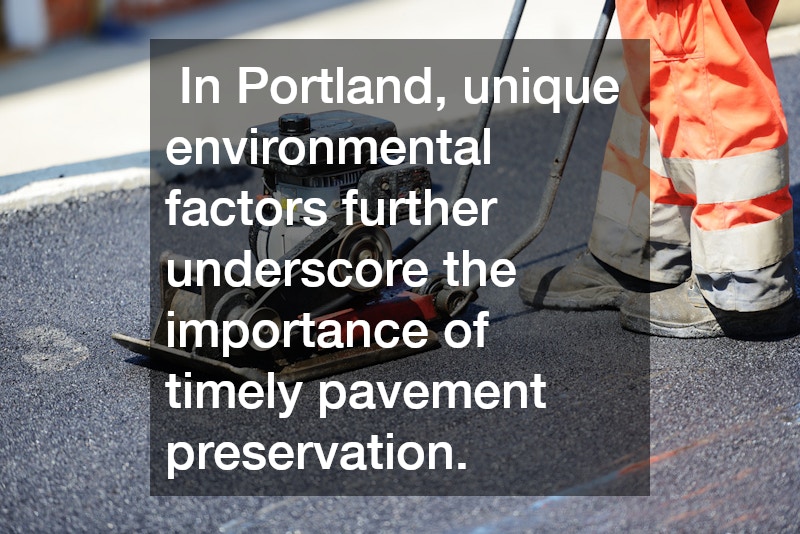
Addressing asphalt repair needs promptly is essential to avert public safety hazards, reduce long-term capital expenditure, and preserve the structural integrity of your paved surfaces. In Portland, OR, unique environmental factors—such as prolonged seasonal rainfall and thermal expansion cycles—further underscore the importance of timely pavement preservation. Proactive maintenance not only delivers a smoother, safer experience for both vehicles and pedestrians but also safeguards the overall financial value of the property.