
Keeping a home’s exterior in good condition requires more than reacting when something breaks. Roofs, gutters, windows, siding, chimneys, garage doors, and drainage components all work together to protect the structure from weather, moisture, pests, and everyday wear. When one system begins to fail, nearby materials can be affected as well. A leaking gutter can damage siding, a deteriorated roof can allow water into ceilings, and damaged window seals can reduce comfort while exposing trim to moisture.
A practical exterior maintenance routine helps homeowners identify developing problems early, plan repairs in a logical order, and reduce the chance that one project will interfere with another. Seasonal inspections are especially useful because many exterior issues become easier to spot after storms, freezing weather, heavy rain, or long periods of heat. Homeowners do not need to complete every task at once. Instead, they can prioritize safety concerns, active leaks, structural damage, and areas showing rapid deterioration.
The following checklist focuses on major exterior systems and the maintenance questions homeowners should consider throughout the year. By reviewing these areas regularly and coordinating professional help when needed, homeowners can keep the property functional, organized, and easier to maintain over time.
Inspect the Roof for Visible Damage
The roof is one of the most important exterior systems because it protects nearly every part of the home beneath it. Homeowners should visually inspect the roof from the ground several times a year and after severe weather. Missing shingles, lifted edges, damaged flashing, dark staining, sagging areas, or debris buildup may indicate that closer evaluation is needed.
Local roof repairs may be appropriate when damage is limited to a specific area, such as a few missing shingles, damaged flashing, or a small leak near a penetration. Addressing isolated problems early can help prevent water from spreading into insulation, ceilings, walls, or attic framing. Homeowners should also check interior spaces for stains, damp odors, or peeling paint that could point to a roof leak.
Not every problem can be solved with a small repair. A roof replacement may become necessary when materials have reached the end of their service life, widespread deterioration is present, or repeated repairs are no longer practical. Homeowners should compare the condition of the roofing material, decking, flashing, vents, and underlayment before deciding on a larger project.
Roof inspections should also include areas around skylights, chimneys, vents, and valleys because these locations often manage concentrated water flow. Keeping branches trimmed away from the roof can reduce abrasion and debris accumulation. Regular attention makes it easier to identify changes before they lead to more extensive interior damage.
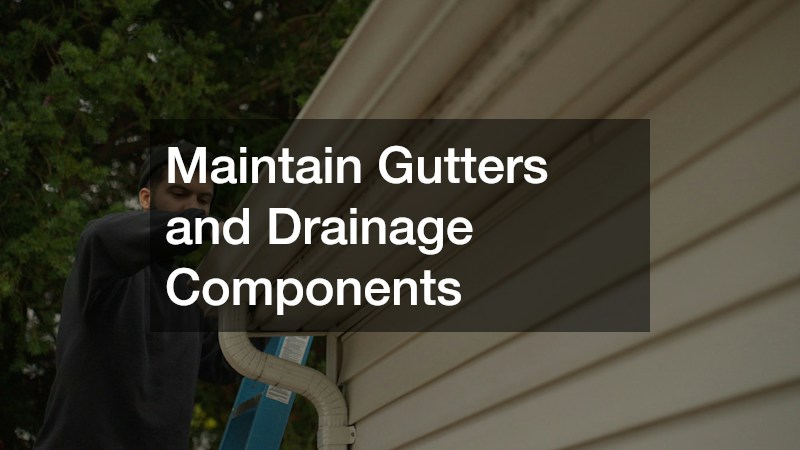
Maintain Gutters and Drainage Components
Gutters direct rainwater away from the roof, siding, foundation, and landscaping. When they become clogged, loose, or damaged, water may overflow and collect where it should not. Homeowners should inspect gutters during fall and spring and after storms that deposit leaves, twigs, or other debris on the roof.
Professional gutter services may include cleaning, repairs, realignment, replacement, or installation of guards and downspout extensions. The goal is to keep water moving efficiently from the roof to a safe discharge point away from the foundation. Downspouts should remain firmly connected and should not empty directly beside basement walls or walkways where water can pool.
Some older or architecturally distinctive homes use box gutters that are integrated into the roofline rather than attached to the edge of the roof. Box gutter companies can evaluate these systems for deterioration, failed linings, leaks, and drainage problems. Because box gutters are built into the structure, neglected damage can affect roof edges, fascia, interior walls, and other nearby materials.
Homeowners should also look for streaks on siding, washed-out landscaping, peeling paint, or soil erosion near downspouts. These signs may indicate that water is not being managed effectively. Maintaining drainage systems can help protect several exterior components at once, making gutter care a high-priority part of any maintenance checklist.
Check the Chimney and Masonry
Chimneys face year-round exposure to rain, snow, wind, temperature changes, and freeze-thaw cycles. Even if a fireplace is used only occasionally, the exterior chimney should still be inspected for cracked mortar, loose bricks, missing caps, damaged flashing, or staining that may indicate water intrusion.
Chimney repair may involve repointing deteriorated mortar joints, replacing damaged masonry, sealing specific areas, repairing flashing, or addressing problems with the crown. Small masonry defects can grow as water enters cracks and expands during freezing conditions, so homeowners should not ignore visible deterioration.
The chimney cap and crown are important because they help limit water entry. A damaged cap may also allow animals or debris into the flue. Flashing where the chimney meets the roof should remain secure because this joint can become a common source of leaks. Stains on nearby ceilings or attic framing may indicate that water is entering around the chimney even when the masonry looks relatively sound from the ground.
Homeowners should also keep vegetation and tree limbs away from the chimney area. If bricks begin to spall, mortar becomes powdery, or the structure appears to lean, a professional evaluation is appropriate. Including the chimney in regular roof and exterior inspections can help prevent masonry problems from being overlooked until they become more complicated.

Review Siding and Exterior Trim
Siding protects wall assemblies while also contributing to the appearance of the home. Different materials age in different ways, so homeowners should understand what signs of wear are normal and what signs may require repair. Cracks, loose panels, rot, warping, holes, fading, mold, or repeated moisture staining deserve attention.
A siding installer can evaluate damaged areas and determine whether individual sections can be repaired or whether broader replacement would be more practical. Matching older siding can sometimes be difficult, so homeowners may need to compare repair options with the appearance and condition of surrounding materials.
Trim around doors, windows, rooflines, and corners should be inspected at the same time. Failed caulk, peeling paint, soft wood, or gaps can allow water and insects to reach vulnerable areas. Repairs should address the source of moisture rather than simply covering visible damage.
Homeowners should also check siding near decks, shrubs, sprinklers, and downspouts. Constant exposure to moisture or vegetation can accelerate wear and make inspection difficult. Keeping plants trimmed back creates airflow and makes it easier to notice problems. Gentle cleaning can remove dirt and organic growth, but the cleaning method should match the siding material to avoid damage. Regular siding maintenance supports both weather protection and curb appeal.
Inspect Windows and Exterior Openings
Windows affect comfort, ventilation, natural light, security, and energy performance. Exterior inspections should include glass, frames, seals, screens, trim, caulk, and drainage openings. Cracked panes, failed seals, moisture between glass layers, peeling trim, or windows that are difficult to operate may require attention.
Window repair services can address issues such as damaged hardware, broken glass, failed seals, worn weatherstripping, or deteriorated frames when full replacement is unnecessary. Timely repairs can help prevent water from reaching wall cavities or interior finishes.
In other cases, new window installations may be considered when existing units are extensively damaged, difficult to operate, or no longer meeting the homeowner’s needs. Replacement planning should include accurate measurements, flashing details, exterior trim, and compatibility with the surrounding siding. Poor installation can create leaks even when the new window itself is high quality.
Homeowners should inspect windows after heavy storms and during seasonal temperature changes. Drafts, condensation, or visible moisture may signal developing problems. Weep holes should remain clear where applicable, and exterior caulk should be replaced when it becomes cracked or separated. Windows near decks, roofs, or landscaping may require more frequent attention because debris and water can accumulate around them.

Maintain the Garage Door and Entry Area
The garage door is one of the largest moving exterior components on many homes. Because it is used frequently, small mechanical problems can develop gradually. Homeowners should watch for unusual noises, jerking movement, slow operation, damaged panels, loose hardware, or a door that no longer closes evenly.
Garage door services can include inspections, opener repairs, track adjustments, roller replacement, weather seal replacement, spring service, and panel repairs. Because springs and cables operate under significant tension, homeowners should avoid attempting repairs that involve these components without appropriate training.
The perimeter of the door should also be inspected. Worn bottom seals can allow water, pests, leaves, or cold air into the garage. Damaged trim may create gaps where moisture can reach wood framing or other materials. Exterior lighting near the garage should remain functional so the driveway and entry area are visible after dark.
Homeowners should also check the concrete or pavement where it meets the garage threshold. Cracks, settlement, or poor drainage can allow water to collect near the door. Keeping this transition area clear of debris helps reduce moisture exposure and makes the entrance easier to use. Routine garage door maintenance supports convenience, security, and safe operation.
Plan Exterior Projects and Debris Removal
Larger maintenance projects often generate more debris than homeowners expect. Roofing, siding, window, gutter, and garage repairs can produce old materials, packaging, fasteners, trim, broken masonry, and other waste that quickly overwhelms standard household disposal options.
Local dumpster rental services can provide temporary containers for renovation debris when the volume is too large for normal trash collection. Before renting a container, homeowners should estimate the type and amount of material, confirm what items are allowed, and choose a placement area that will not block garage access or damage landscaping.
Project sequencing is also important. If several exterior repairs are planned, homeowners may save time by scheduling work in an order that prevents completed surfaces from being damaged by later projects. Roof and chimney work often come before siding, windows, and gutters because crews may need access to upper portions of the home. Waste removal can then be coordinated around the busiest phases of construction.
Homeowners should protect driveways, lawns, and walkways from dropped materials and equipment. Nails and sharp debris should be collected promptly, especially in areas used by children, pets, and vehicles. A clear cleanup plan helps keep the property safer while work is underway and makes the final stages of a project more organized.

Build a Year-Round Exterior Maintenance Routine
Exterior maintenance is easier when it follows a predictable schedule instead of depending on memory. Homeowners can divide tasks by season and keep a simple record of inspections, repairs, contractor visits, and replacement dates. This helps reveal recurring issues and makes it easier to budget for future work.
Spring is a useful time to check for winter damage, clean gutters, inspect the roof, review siding, and examine masonry. Summer may be better for painting, caulking, window work, and larger renovation projects. Fall inspections can focus on drainage, roofing, chimney condition, weather seals, and preparations for colder weather. Winter observations can reveal ice buildup, drafts, garage door problems, and drainage issues that are less obvious during warmer months.
Maintenance records should include photographs when possible. Comparing images from year to year can make subtle changes easier to notice, such as widening cracks, roof wear, staining, or shifting trim. Homeowners can also keep product information, warranties, and contractor invoices together for future reference.
Homeowners can make this routine more useful by setting reminders for specific months and noting which areas require professional attention. A simple calendar can separate quick visual checks from larger annual inspections, preventing important tasks from being forgotten during busy seasons. It also helps to keep basic exterior supplies together, such as compatible caulk, touch-up paint, replacement weatherstripping, gutter tools, and protective equipment. When several concerns appear at once, prioritizing active leaks, loose materials, drainage failures, and safety hazards can make decision-making easier. Consistent documentation also gives contractors helpful background when a repair requires a more detailed evaluation.
The most effective maintenance plan treats the exterior as one connected system. Roofs, gutters, chimneys, siding, windows, garage doors, and drainage all influence one another. Regular inspections, timely repairs, and thoughtful project planning can help homeowners address problems before they spread, protect finished areas from avoidable damage, and keep the property easier to care for throughout the year.